Bringing a new baby into the world brings profound joy, but sudden, excessive hair shedding around three to four months after delivery can feel overwhelming. As a trichologist and postpartum wellness consultant, I reassure mothers daily that sudden shedding after childbirth is a temporary, biological reaction rather than permanent loss. Knowing how to stop postpartum hair loss requires addressing the multifaceted physiological shifts occurring inside your body, from dramatic hormonal adjustments and physical stress to postpartum nutrient depletion.
During pregnancy, elevated estrogen and progesterone levels keep hair follicles locked in an extended anagen growth phase, creating fuller, thicker hair. Following birth, these hormone levels drop sharply back to baseline within hours. This rapid hormonal transition prompts a large percentage of hair follicles to enter the resting telogen phase simultaneously. Learning how to manage postpartum shedding with targeted, lactation-safe nutrition helps accelerate hair follicle recovery, restore natural hair density, and support overall maternal recovery.
Understanding the Biology of Postpartum Shedding
To effectively support your scalp, it is essential to understand the biological mechanisms driving shedding during the fourth trimester. Postpartum shedding is clinically termed acute telogen effluvium, an abrupt shift in the natural hair growth cycle triggered by physiological shock and hormonal changes.
The Postnatal Estrogen Plunge and Telogen Effluvium
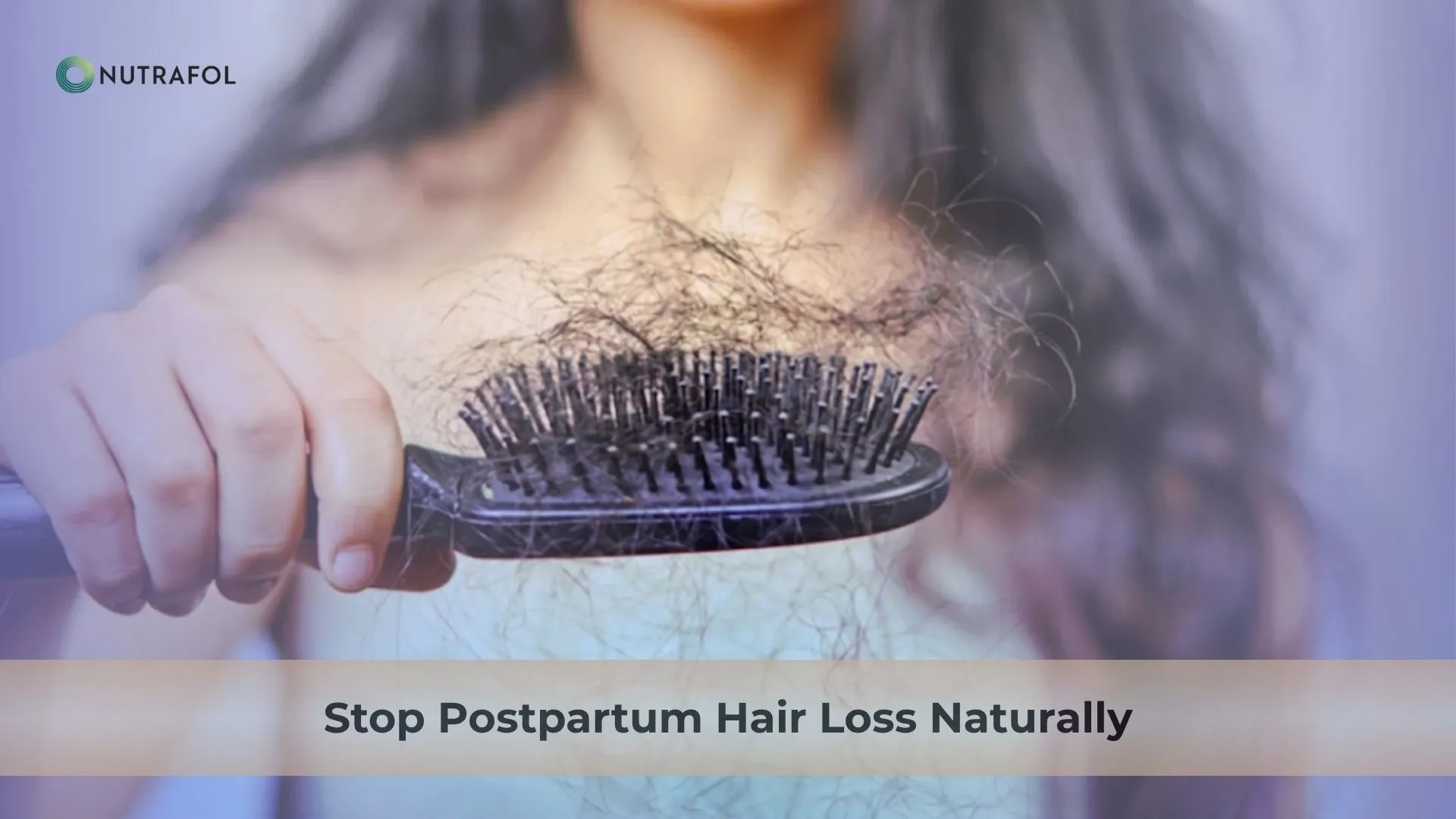
Throughout gestation, circulating placental hormones protect hair follicles from entering their natural shedding cycle. When the placenta is delivered, estrogen and progesterone plunge dramatically. Approximately ninety to one hundred and twenty days later, the synchronized cohort of hair follicles that were sustained during pregnancy enters the shedding phase at once. This delay explains why mothers notice handfuls of hair falling out in the shower or on styling brushes around the third or fourth postpartum month. While this shedding is self-limiting, supporting follicular cellular energy shortens the recovery phase and stimulates healthy anagen reactivation.
Maternal Nutrient Depletion and Lactation Demands
Pregnancy demands immense physiological resources to grow fetal bone, tissue, and vital organs. Following delivery, maternal iron stores (measured as serum ferritin), zinc, selenium, vitamin D3, and B vitamins are frequently depleted. If a mother chooses to breastfeed, lactation places additional ongoing demands on daily metabolic energy and micronutrient reserves. This phenomenon, known as breastfeeding hair loss, happens when the body prioritizes breast milk production and vital infant nutrition over non-essential peripheral structures like hair follicles. Without proactive nutritional replenishment, hair follicles remain sluggish, prolonging diffuse thinning and widening part lines.
Core Strategies to Support Postpartum Hair Regrowth
Halting excessive shedding and encouraging healthy baby hairs along the hairline requires a holistic approach. Addressing nutritional gaps, oxidative stress, and adrenal overload creates optimal biological conditions for scalp rejuvenation.
Replenishing Essential Micronutrients and Collagen
Hair shafts consist predominantly of keratin proteins supported by structural scalp collagen. Supplementing with bioavailable, hydrolyzed marine collagen peptides provides essential amino acids like glycine and proline that help rebuild dermal scalp tissue and reinforce connective structures around the hair bulb.
OBGYN-Formulated Nutrients for Breastfeeding Mothers
Safety is the top priority for postpartum mothers, especially while nursing. Standard hair supplements often contain mega-doses of isolated vitamins or unstudied herbal extracts that may not be suitable during lactation. OBGYN-developed formulas utilize clean, bioavailable nutrients such as chelated zinc, plant-derived vitamins, and marine bioactive peptides that nourish both mother and baby.
For comprehensive guidance on hormonal shifts and postpartum recovery, explore our Nutrafol hair health blog. Combining targeted minerals with gentle scalp care products optimizes local microcirculation and strengthens fragile new growth.
Managing Adrenal Stress and Sleep Deprivation
Caring for a newborn inevitably brings fragmented sleep and heightened emotional stress. Elevated cortisol levels trigger localized scalp micro-inflammation and cause hair follicles to prematurely exit the active growth phase. Incorporating lactation-friendly relaxation nutrients, such as L-theanine and standardized marine extracts, helps calm adrenal reactivity and supports restorative rest without sedating side effects. Reducing physiological stress creates an internal environment where hair follicles can dedicate energy to robust cellular division.
Why Nutrafol Postpartum Is the Leading Natural Solution
Rather than guessing with individual prenatal vitamins or unverified remedies, modern mothers benefit from a comprehensive, clinically studied nutriceutical. Nutrafol Postpartum is an OBGYN-formulated botanical supplement engineered specifically for the unique biological needs of women in the first year after childbirth.
Targeted Whole-Body Recovery for New Mom Hair
Nutrafol Postpartum features the proprietary Synergen Recovery Complex, a blend of clean, breastfeeding-compatible botanicals and micronutrients. By incorporating hydrolyzed marine collagen, L-theanine, Shatavari root extract, and bioavailable vitamins, this multi-targeted formula addresses the primary root causes of new mom hair challenges simultaneously:
Hormonal Support: Botanical adaptogens support natural hormonal balance as your reproductive system recalibrates.
Nutrient Replenishment: Clinical-grade vitamins, zinc, and DHA omega-3 fatty acids restore nutrient reserves depleted during pregnancy and nursing.
Adrenal and Mood Balance: Calming L-theanine modulates stress pathways and supports emotional wellness during sleep-deprived periods.
Lactation Compatibility: Formulated without mega-dose biotin or unverified herbs, making it safe for breastfeeding and non-breastfeeding mothers alike.
Consistent daily use delivers vital micronutrients directly to the dermal papilla, fostering resilient hair growth and revitalizing thin, brittle strands across a three to six-month wellness timeline.
Frequently Asked Questions About Postpartum Hair Loss
How long does postpartum hair shedding typically last?
Postpartum shedding usually begins around three months after birth, peaks near month four or five, and gradually subsides by six to nine months. By your baby's first birthday, most women experience substantial hair density restoration and visible regrowth along the hairline and crown.
Can you prevent postpartum hair loss entirely?
Because the postpartum estrogen drop is a natural biological occurrence, completely preventing all shedding is impossible. However, supplementing with targeted nutriceuticals, eating a nutrient-dense diet, and managing stress helps minimize excessive shedding severity and shortens the time required for new growth to emerge.
Is Nutrafol Postpartum safe to take while breastfeeding?
Yes. Nutrafol Postpartum was formulated alongside board-certified OBGYNs specifically for nursing mothers. It contains food-grade, lactation-compatible ingredients, free from artificial additives, heavy metals, or excessive single-vitamin doses.
What is the difference between prenatal vitamins and Nutrafol Postpartum?
Prenatal vitamins are formulated to support fetal organ development and prevent neural tube defects, prioritizing the baby's structural needs. Nutrafol Postpartum is designed for maternal recovery, specifically addressing hair follicle reactivation, collagen replenishment, stress relief, and hormonal rebalancing after delivery.
How should I care for my hair during active postpartum shedding?
Handle delicate strands gently. Avoid tight hairstyles like high ponytails or tight braids that place tension on fragile roots. Use a wide-tooth comb on wet hair, minimize high-heat styling tools, and nourish your scalp with lightweight, non-comedogenic botanical oils.
Restoring Hair Density and Long-Term Follicle Vitality
Experiencing postpartum hair loss is a completely normal milestone in the motherhood journey, but you do not have to navigate it without support. By replenishing depleted nutrient stores, modulating adrenal stress, and nourishing hair follicles at the cellular level, you can encourage healthy, vibrant regrowth. Reclaim your hair confidence today: Try postpartum formula to provide your body with physician-backed nutriceuticals tailored for fourth-trimester recovery.